Acupuncture, Herbal Medicine & Holistic Healthcare in South Croydon


                Finalist for 2026 Health and Wellbeing Awards! 

Herbal Medicine

Fertility I Digestion I Pain I Hormones I Thyroid I Skin I Menopause I Men's Health I Children

Fertility Support
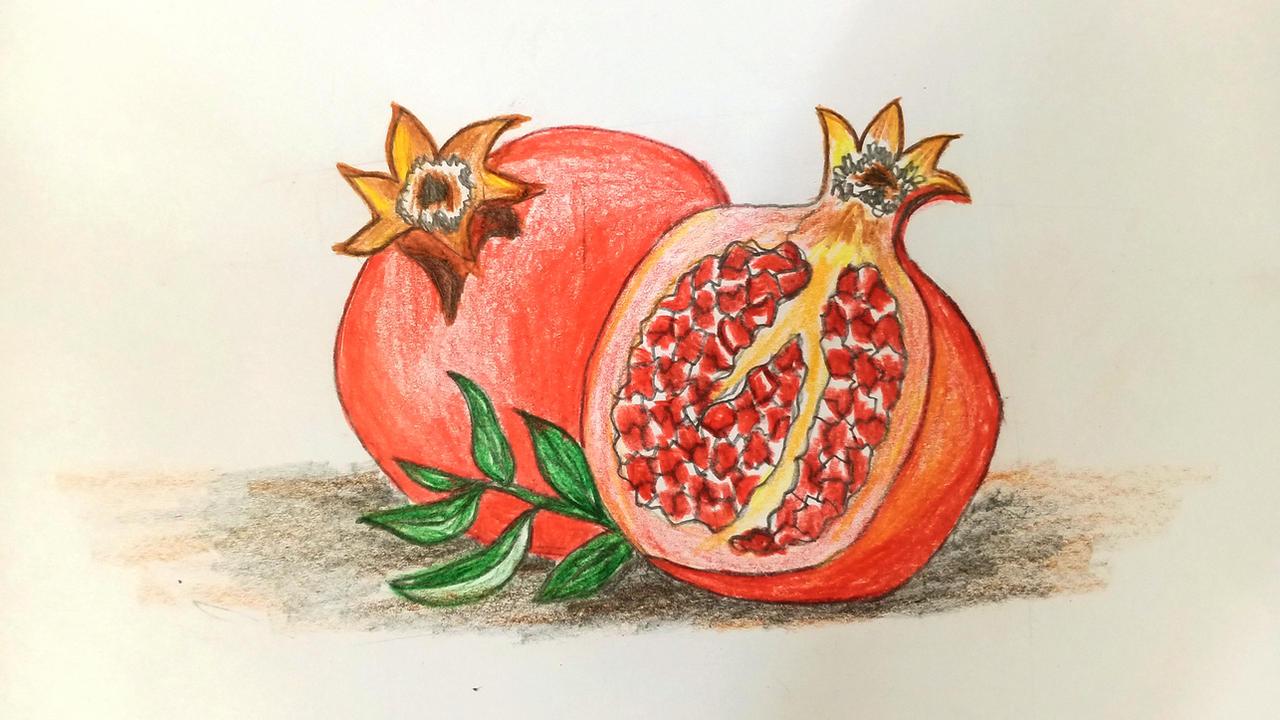
 

Male & Female fertility support


- Natural and assisted reproduction: intra-uterine insemination (IUI) and in-vitro fertilisation (IVF)


- Evaluate fertility history (including fertility test results)


- Diagnose underlying causes based on Traditional Chinese Medicine (TCM) pattern theory


- Personalized suggestions to improve nutrition, reduce stress, and enhance overall health


- Detailed written report that includes:  


* TCM diagnosis and treatment plan

* Recommendations for acupuncture and/or herbal medicine

* Tailored dietary and lifestyle changes to support your fertility journey


Your Wellness Support Team

Ivy- Clinic Director

Acupuncture, Herbal Medicine, Integrated Care

MBAcC, MBMAS

Helena- Associate

Acupuncture,  Naturopathy

MATCM

Kurtis- Massage Therapist

MCThA

Keanah- Massage Therapist

MFHT

Virtual Support

Contact us today to schedule a consultation and start your journey towards better health!
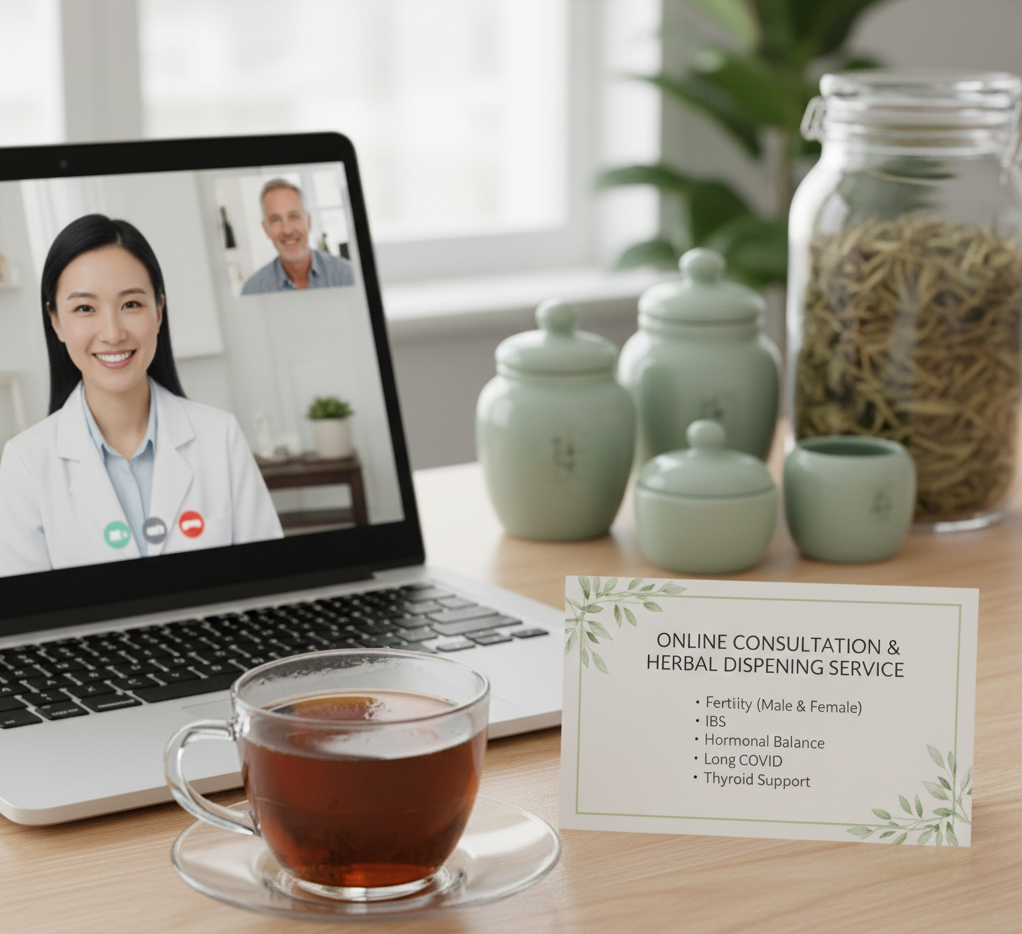
- In-depth virtual or telephone consultation to discuss your health concerns


- Personalised herbal medicine prescription


- Attending your first session in person highly recommended 


Suitable conditions:


- Fertility Support (Male & Female) 

- Irritable Bowel Syndrome

- Hormonal Imbalance

- Long COVID / Post-illness Syndrome

- Thyroid Issues
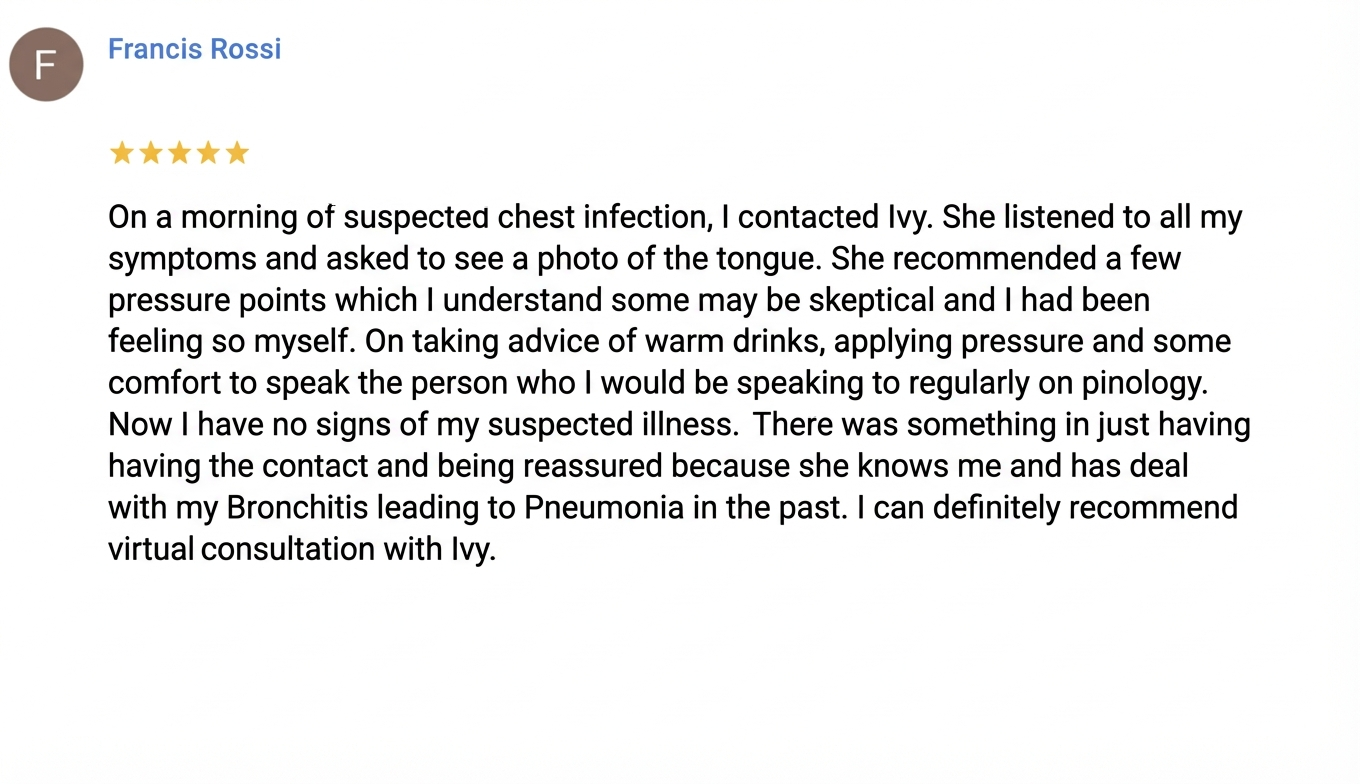
 

What Makes Us Unique

1

UK Registered Practitioners

All our practitioners are registered with a UK professional regulatory body and are fully insured.

2

Integrated Care

Integrated care model blends acupuncture, herbal medicine, with dietary and lifestyle guidance to support your body naturally, helping you achieve sustainable, long-term wellbeing.

3

Expertise

Our practitioners are highly experienced in their respective fields, with extensive clinical expertise in managing both acute presentations and complex, long-standing conditions. We combine depth of knowledge with careful assessment to ensure each treatment plan is tailored, safe, and effective.


病从口入 (Bìng cóng kǒu rù)

A discussion on the effects of diet on health and modern illness, illustrated through clinical observation


When babies are born, the first thing they instinctively do is wriggle and search for their mother’s breast milk. This instinct reflects a fundamental drive for survival, growth, and thriving.


Food and drink provide us with energy, nutrients, warmth, and nourishment. Breast milk is universally recognised as the optimal food for infants because it is densely packed with nutrients, freshly produced, carries maternal antibodies to protect against illness, and is delivered at a gut-friendly temperature that allows easy absorption. This has remained unchanged throughout human history because it works. It has been tested and proven by time. From this, we can clearly see the importance of freshness, appropriate temperature, and an easily digestible form for the body to absorb nutrients and transform them into what it needs to grow and function.


In Traditional Chinese Medicine (TCM), warm, cooked meals and drinks are considered the most supportive form of nourishment for the body. They allow nutrients to be absorbed efficiently, provide warmth and energy, and support daily activity and productivity. When the body is in a harmonious state, the mind and emotions are more likely to remain calm and balanced.


In modern times, while life has become increasingly convenient, we are also exposed to a wide range of foods and eating habits from different cultures and regions. We can easily source bananas from Madagascar, bottled water from Fiji, fermented kimchi from Korea, and raw sushi from Japan. Ice has also become inseparable from drinks, and many people regularly consume beverages loaded with sugar, creamy, starchy boba pearls, or concentrated matcha containing more caffeine than coffee.


While this globalised diet has expanded our international culinary palate, our digestive systems may be paying the price. Gradual symptoms such as bloating, abdominal pain, distension, gas, and reflux are common warning signs that the digestive system is struggling to process what it receives. Constipation, diarrhoea, or pellet-like stools are also frequent by-products of weakened digestion.

According to TCM, poor digestion can lead to the accumulation of Dampness, a pathological state described as heavy, dense, and obstructive. Dampness often manifests as fatigue, weakness, heaviness in the limbs, phlegm, sinus congestion, weight gain, allergies and intolerances, and low mood or depression. It may also interfere with normal bodily functions, placing strain on the heart, contributing to Fibroid development, obstructing urinary flow (such as in prostate conditions), and playing a role in skin disorders like Eczema and Psoriasis, often with an emotional component.


More concerning is the increasing number of children presenting with these issues as a result of modern dietary habits we now see in clinic: severe eczema, recurrent tonsillitis, frequent urinary tract infections, abdominal pain, bowel irregularities, behavioural challenges, involuntary tics, severe allergies and intolerances, concentration and memory difficulties, and irregular menstruation for young adults. Children are often unable to verbalise their internal discomfort. In TCM, this presentation is referred to as irritable organs, which frequently manifests through behaviour: inattention, hyperactivity, impulsivity(aggravated by screen use), cognitive development delays(also involves the Kidney pattern in TCM) and repetitive behaviours. Rather than addressing the root cause by adjusting diet and digestive health, Many of these children are labelled with conditions such as ADHD or autism and are placed into special educational categories.


There is a Chinese proverb 病从口入 Bìng cóng kǒu rù, which means “Illness enters through the mouth”. Do we truly want to rely on colonic cleanses, extreme dietary regimens, or meal replacements that offer only temporary relief? Or do we want to take responsibility for our health and return to a dietary approach that has stood the test of time, one that supports digestion, balance, and long-term wellbeing?